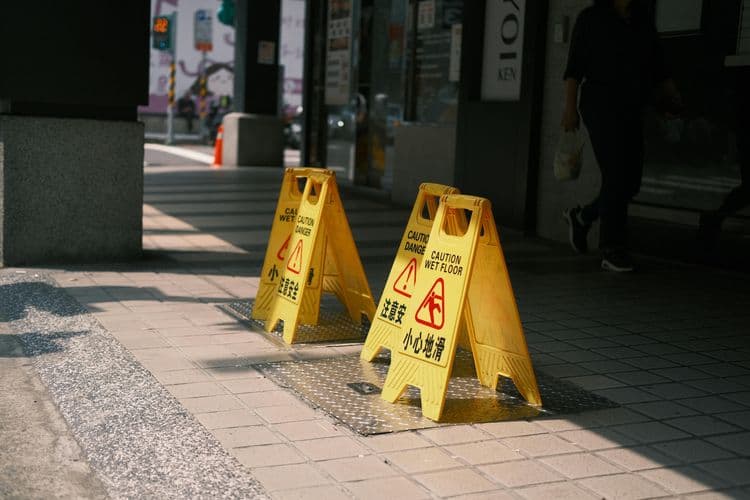
This Spill Management Training course is designed to help learners understand how to prevent spills, respond safely when they occur, and reduce the risk of harm to people, property, and the environment.
Spills can happen in many workplace settings, including manufacturing, construction, healthcare, logistics, retail, hospitality, and facilities management. They may involve oils, fuels, chemicals, cleaning products, bodily fluids, or other hazardous substances. If they are not handled correctly, spills can lead to slips, exposure to harmful substances, environmental pollution, business disruption, and legal consequences.
Through this course, learners will explore the key principles of spill prevention and control, including safe storage, good housekeeping, risk assessment, and the importance of having suitable spill response procedures in place. The course also looks at hazardous substances, including how they can cause harm, how to identify them using labels and Safety Data Sheets, and why appropriate personal protective equipment is essential.
Learners will also gain an understanding of spill response planning, including the use of spill kits, emergency communication, reporting procedures, and the importance of protecting drains, watercourses, and surrounding areas. The course explains the steps involved in managing a spill, from assessing the situation and raising the alarm to containment, clean-up, waste disposal, and post-incident review.
By completing this course, learners can build the confidence and awareness needed to respond appropriately to spill incidents and support safer, more compliant workplace practices.